
Controls
About this game
Sliding Tiles, Pet Pictures
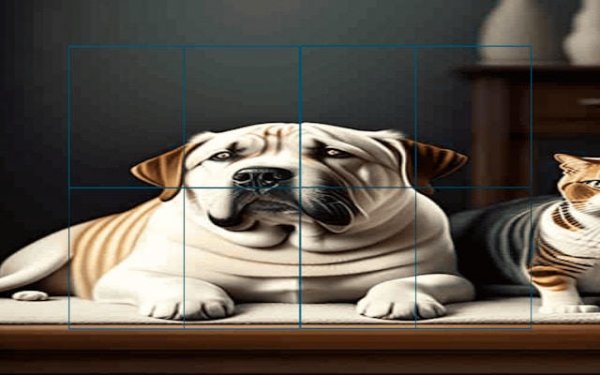
Pet Slide Puzzle uses the familiar sliding tile mechanic: one empty space on a grid, and tiles that shift when you tap or click one adjacent to the gap. Your goal is to move tiles one by one until the original image of a cat or dog is restored. There is no timer and no penalty for taking your time, so the only pressure comes from your own patience.
Choosing Your Grid
Before each puzzle, you select a grid size. Smaller grids like 3x3 are easier to scan and solve, while 4x4 grids increase the number of possible moves and demand more planning. This choice directly sets the difficulty, letting beginners start simple and experienced players take on a larger challenge without changing the core rules.
Playing Without Pressure
Because there are no scores, countdowns, or move limits, the game is designed for relaxation. You can pause mid-solve, return later, or restart a puzzle if you get stuck. The controls work on both desktop and mobile, so you can play in short sessions or longer ones. The pet imagery adds a light, friendly theme that keeps the experience approachable.
Approaching a Scrambled Image
Before making your first move, look at the scrambled tiles and identify the overall picture. Solving one row or section at a time reduces confusion. On larger grids, working in small blocks helps you avoid undoing progress. If a puzzle feels stuck, stepping away and coming back often makes the next move clearer.
Compatibility
Screenshots
How To Play
Player Reviews
Pet Slide Puzzle sticks to the classic sliding tile formula without adding pressure. The absence of timers and scores makes it a good fit for players who want a quiet mental exercise, and the choice between 3x3 and 4x4 grids lets you adjust difficulty. The pet theme adds warmth, though the core mechanic is what matters. It is best suited for casual players, children, and anyone who enjoys unhurried logic puzzles.
Comments
Sign in to leave a review
Share your rating and tip other players.
No comments yet.






Editorial Notes