
Controls
About this game
Navigating the Sectors
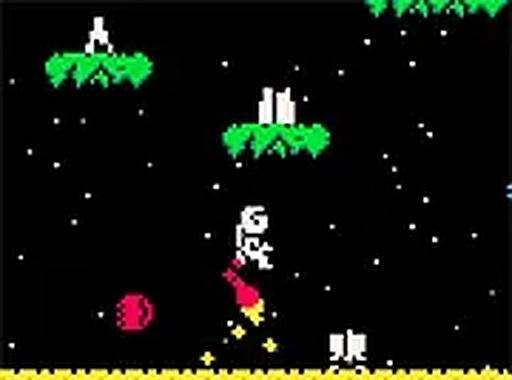
You are a starship captain guiding your vessel through a series of interconnected sectors. Each region demands constant attention: floating debris drifts in predictable paths, while sudden space phenomena test your reaction time. Non-hostile alien lifeforms appear occasionally, adding variety without turning the journey into a combat game. Controls use standard input devices, so newcomers can pick up the basics quickly while experienced players refine their timing.
Checkpoints and Resource Decisions
Designated landing zones appear throughout the voyage. Stopping lets you refuel and repair, but every pause costs momentum. Push onward without maintenance and you risk a breakdown that ends the run early. This creates a small puzzle at each checkpoint: is the hull damage manageable, or will the next sector's obstacle field finish you off? Fuel and hull integrity are the two resources you monitor constantly, and running out of either brings the voyage to a close.
Learning Obstacle Patterns
Obstacles follow two broad types. Some move in predictable cycles, which you can memorize over repeated attempts. Others appear with little warning and rely on quick reflexes. The game encourages studying these patterns, turning early failures into useful information. Later sectors introduce denser obstacle fields and more demanding checkpoint placements, but the difficulty rises gradually rather than spiking suddenly.
Family-Friendly Design and Progression
There is no graphic violence or mature content. The visual style is bright and colorful, and the controls are simple enough for children to grasp. Strategic elements—deciding when to speed through a clear area and when to slow near hazards—give adults enough depth to stay engaged. Completing each sector feels like a genuine accomplishment, and the steady learning curve invites you to see how far you can travel.
Compatibility
Screenshots
How To Play
Player Reviews
Starlight Sector Commander blends light strategy with arcade-style navigation. The tension comes from deciding when to stop for repairs and when to push forward, not from combat. Its bright visuals and simple controls suit younger players, while the resource balancing and pattern learning give adults something to think about. The gradual difficulty curve keeps the experience fair, though players seeking fast action may find the pace deliberate.
Comments
Sign in to leave a review
Share your rating and tip other players.
No comments yet.






Editorial Notes