
Controls
About this game
From Hospital to Home
The game opens with a short point-and-click sequence: helping the mother reach the hospital safely. Once the twins are born, the focus moves to hands-on care. Players assist with tasks like checking the babies' weight and preparing them for rest. This transition mirrors the shift from immediate postpartum needs to establishing a daily rhythm at home.
Managing Two Babies at Once
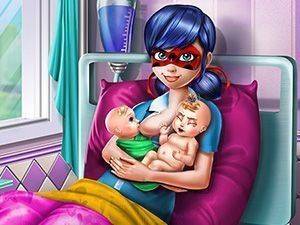
Twins mean double the tasks. Players change diapers, feed, and settle each baby, guided by visual prompts. The dual-baby setup encourages coordination and prioritization, as both infants need attention. There is no time penalty, so players can observe and respond at their own pace. This low-stress design helps build time-management skills without pressure.
Supporting the Mother's Recovery
Beyond baby care, players remind the mother to take medication and stay hydrated. These tasks are woven into the daily routine, showing that family well-being includes everyone. Gentle reminders and simple interactions make this aspect easy for younger players to understand and act on.
Visual Style and Atmosphere
Soft colors and rounded character designs create a warm, inviting world. Animations are smooth and unhurried, matching the relaxed pace. Backgrounds include cozy home environments and a cheerful hospital setting. Minimal sound effects and gentle cues for task completion keep attention on the caring activities.
Compatibility
Screenshots
How To Play
Player Reviews
Caring for Newborn Twins: A Family Simulation offers a calm, educational experience focused on nurturing and time management. The dual-baby setup adds light coordination challenges, while maternal recovery tasks broaden the scope beyond infant care. Its soft visuals and lack of failure states make it suitable for young players or anyone seeking a relaxing, role-playing simulation. The game does not rush players, allowing them to learn at their own pace.
Comments
Sign in to leave a review
Share your rating and tip other players.
No comments yet.









Editorial Notes