
Controls
About this game
Core Swap Mechanic
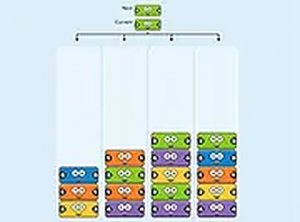
The board is a grid filled with colored tiles. On each turn, you select one tile and swap it with a neighbor. A swap is valid when it creates a straight line of three or more matching tiles. That line then disappears, and the tiles above fall to fill the gap. Cascades can occur when falling tiles form new matches automatically, which adds bonus points. The real challenge is planning swaps that trigger these chain reactions rather than just clearing the first match you see.
Level Goals and Obstacles
Every level gives you a specific objective, such as clearing a set number of one tile color or reaching a target score within a limited number of moves. As you progress, new board elements appear. Some tiles are locked in place and need several nearby matches to free them. Others sit inside a block that must be matched twice before it breaks. These obstacles punish careless swapping and reward players who read the whole board before acting.
Board Reading and Cascades
Matches near the bottom of the grid tend to produce longer cascades because more tiles fall through the cleared space. That makes vertical position a real strategic factor, not just a visual detail. Power-ups are best saved for tight situations, such as when only a few moves remain. A well-timed power-up can turn a near-loss into a clear. The game favors patience and observation over fast tapping.
Visual Clarity and Feedback
Each tile type uses a bright, distinct color, so the board stays readable at a glance. Matches trigger a brief animation and a confirming sound effect, which makes cause and effect easy to track. The interface shows only the current score, level number, and remaining moves. That stripped-down layout keeps attention on the puzzle instead of on menus or counters.
Compatibility
Screenshots
How To Play
Player Reviews
Tile Swapping Logic Game sticks to a proven match-three structure but adds enough pressure through move limits, locked tiles, and encased blocks to keep decisions meaningful. The uncluttered interface and clear color coding make it easy to read the board, while bottom-row cascades give skilled players a real scoring edge. It suits casual players and family sessions, though anyone wanting fast action or complex meta-progression may find the pace too measured.
Comments
Sign in to leave a review
Share your rating and tip other players.
No comments yet.







Editorial Notes