
Controls
About this game
Putting Controls and Shot Planning
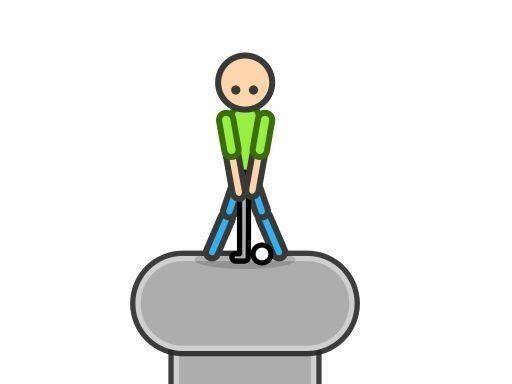
Every shot in Mini Golf Challenge: Aim & Score begins with two decisions: where to aim and how hard to putt. Using a mouse or touch input, you set the direction and force of each attempt. The ball then travels across the green, reacting to slopes and barriers placed along the way. Because the control scheme is simple, new players can start putting within seconds. The depth comes from reading the terrain before you commit to a stroke. A putt that looks straight may drift on a sloped section, and a barrier can redirect a ball that would otherwise roll past the hole. The goal is always to sink the ball using as few strokes as possible.
Course Layouts and Obstacles
Each hole presents a distinct layout with its own obstacles and terrain variations. Some greens include ramps, tunnels, or moving elements that require careful planning before you putt. These features are not decorative; they change the path the ball must take and the force needed to reach the hole. Difficulty increases gradually, so new challenges appear as you become more comfortable with the putting mechanics. The variety keeps rounds from feeling repetitive and gives players a reason to replay layouts until they master each one.
Scoring, Progression, and Tone
Precision is rewarded through a clear scoring system. Points are based on how few strokes you need to complete each hole. Achieving a low score unlocks access to more challenging courses, which gives the game a sense of progression and motivates players to refine their technique. The focus stays on personal improvement rather than aggressive competition. The visuals are bright and inviting, with no violent or inappropriate content, and the pace is relaxed enough for thoughtful play. That combination makes it suitable for family game nights or casual solo sessions where fun and skill development matter more than rivalry.
Compatibility
Screenshots

How To Play
Player Reviews
Mini Golf Challenge: Aim & Score keeps its controls simple: set direction and force, then watch the ball react to slopes and barriers. The course layouts add ramps, tunnels, and moving elements that make each hole a small planning exercise. Difficulty rises gradually, and low scores unlock more challenging courses, so improvement feels structured. The bright, non-violent presentation and relaxed pace suit families and casual solo players. Its main limitation is that the input describes a single-player focus on personal scoring rather than competitive multiplayer.
Comments
Sign in to leave a review
Share your rating and tip other players.
No comments yet.






Editorial Notes