
Controls
About this game
Stacked Tiles, Not Flat Boards
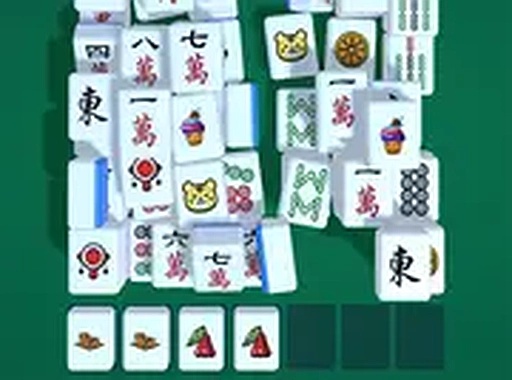
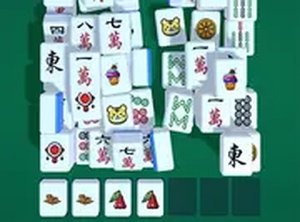
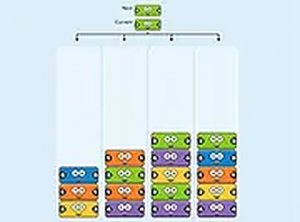
Layered Puzzle Quest arranges tiles in vertical layers rather than a single flat grid. Only tiles that are fully visible and not covered by others can be removed. Clearing a top tile may expose a needed match underneath, but it can also block access to another area. This spatial reasoning element separates the game from standard match-three titles, where every tile is equally accessible from the start.
Icons, Theme, and Readability
The tiles use a cheerful mix of symbols: common objects, animals, fruits, and cute characters such as pandas and cupcakes. The bright palette and friendly art style keep the board readable even when time is short. Because each icon is visually distinct, players can identify matches quickly without straining to tell similar shapes apart.
Three Tools for Tight Spots
When the board becomes difficult, three assist tools are available. Shuffle rearranges all remaining tiles to create new matching opportunities. Flip Card reveals a hidden tile without removing it. Undo reverses your last move so you can correct a mistake without restarting. Each tool has limited uses per level, so deciding when to spend them is part of the strategy.
Timers and Gradual Difficulty
Every level includes a countdown timer, which pushes efficient play. Failure is not harshly punished; players can retry levels to improve speed and strategy. Early stages introduce basic stacking concepts with generous time limits. Later layouts become more complex, with deeper stacks and more tiles to clear in the same window. The difficulty curve is gradual, letting skills build naturally. Tools are earned through gameplay, not purchased, so the challenge stays fair.
✅ Compatibility & Testing
Screenshots
How To Play
Player Reviews
Layered Puzzle Quest stands out by turning tile matching into a spatial reasoning exercise. Because only uncovered tiles can be removed, every move affects what becomes available later. The three assist tools are limited, so using them well matters more than using them often. The cheerful icon set and bright colors keep the board readable, while the timer adds urgency without harsh penalties. It suits players who enjoy logic puzzles and forward planning. The main limitation is that the input does not describe multiplayer, story, or audio, so those elements remain unknown.
Comments
Sign in to leave a review
Share your rating and tip other players.
No comments yet.

Editorial Notes