
Controls
About this game
Team Assembly and Synergy
Every mission in Tactical Team Leaders begins with a roster decision. Characters bring distinct abilities: some gather resources efficiently, others solve specific puzzle types, and a few provide support to teammates. No single lineup works for every scenario. The game rewards players who study mission requirements and swap in the right specialists. That flexibility creates replay value, since a puzzle that stalls one team may open quickly with a different combination.
Inventory and Upgrade Decisions
Items collected during missions go into a shared inventory. Matching items can be combined to produce boosts that enhance characters or clear obstacles. Because storage space is limited, players constantly weigh which items to keep, which to combine, and which to spend immediately. Expanding inventory capacity and upgrading characters are parallel goals, giving the progression loop a planning focus rather than a reflex focus.
Puzzle Missions and Real-Time Adjustments
Missions unfold as sequences of puzzles and obstacles that call for logical thinking. After selecting a team, players can make real-time adjustments as situations change. A character with the right ability might open a blocked path, while another gathers extra resources along the way. Missions are built for short play sessions, yet the puzzle depth is enough to hold the attention of dedicated strategy fans.
Presentation and Progression
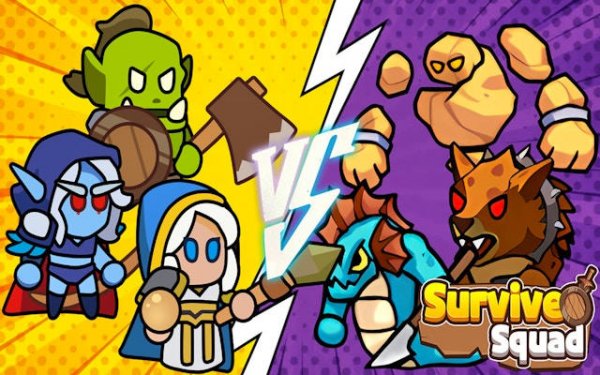
The art style is bright and cheerful, with colorful characters and environments that support a lighthearted tone. Animations emphasize personality without distracting from the puzzles. Completing missions yields rewards used to level up characters, increase inventory space, and unlock new abilities. New characters and items appear gradually, so players learn each element before facing more complex challenges.
Compatibility
Screenshots
How To Play
Player Reviews
Tactical Team Leaders: Puzzle Quest builds its challenge around preparation rather than reaction. The roster system encourages experimentation, since no single lineup solves every mission. Inventory management adds a second layer of planning, and the gradual unlock of characters and items keeps complexity manageable. The bright art style and short mission structure suit casual sessions, though the puzzle depth should satisfy strategy fans. The main limitation is that the input does not describe multiplayer or competitive features, so it appears to be a solo experience.
Comments
Sign in to leave a review
Share your rating and tip other players.
No comments yet.







Editorial Notes